
Governance Systems before the Colonial Rule
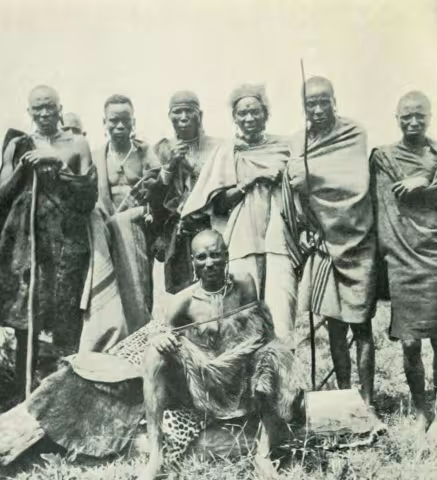
Before the colonial governments, district administrators and modern state institutions emerged, communities across the region now known as Kenya had systems of leadership, governance and social organisation.
However, there was no single model of government. Different communities organised themselves according to their environments, economies, traditions and ways of life. Across the mountains, plains, forests and lakeshores, societies had systems that guided decision-making, resolved disputes and maintained order.
Some developed centralised systems with kings, chiefs and councils. Among the most notable was the Wanga kingdom in western Kenya, whose rulers exercised political authority over surrounding areas and maintained systems of administration, alliances and diplomacy. Leadership often passed through recognised hereditary structures and was supported by councils of advisors and elders.
Other communities had chiefdoms and clan-based leadership structures. Chiefs, lineage heads and councils played important roles in managing community affairs, allocating resources and overseeing social responsibilities.
In many societies, governance was collective. Councils of elders held significant authority and guided important decisions affecting the community. Their role extended beyond politics. Elders settled disputes, interpreted customs, advised leaders and safeguarded traditions passed down through generations.
Age-set systems also shaped leadership in several communities. Individuals progressed through stages of life marked by responsibilities and social duties. Leadership, military service and community obligations often followed the structured systems, creating order and continuity across generations.
Spiritual leaders also held influence. Among pastoral communities, religious figures and ritualists often guided communities in periods of uncertainty, conflict and major decisions. Leadership was not always measured through political power alone but also through wisdom, experience and spiritual authority.
These systems varied widely, but they shared important principles – collective responsibility, social cohesion and accountability.
And along the coast, culture, religion and commerce were reshaping as sailors arrived from Arabia, Persia, India and beyond.