
Protest, activism and rise of African voices
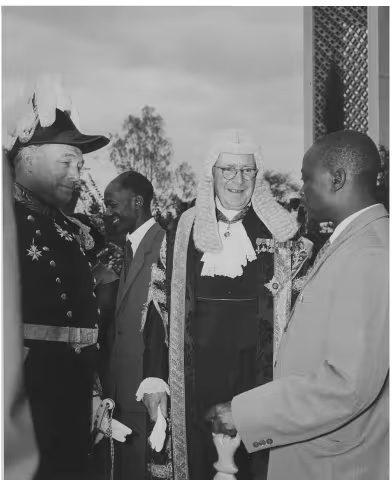
As colonial rule tightened its grip on Kenya in the early 20th Century, African communities increasingly experienced the harsh realities of land alienation, forced taxation, labour exploitation and exclusion from political decision-making.
For many Africans, the colonial promise of “development” instead brought deepening hardship and inequality.
Communities that had lost land began struggling with overcrowding and economic pressure. African workers on settler farms and in urban centres often faced poor wages, harsh conditions and limited rights. At the same time, colonial laws restricted African political participation while decisions affecting millions were made largely without local representation.
Amid the challenges, a new generation of African voices was beginning to emerge.
Mission schools and increasing urban centres exposed some natives to new forms of education, political thought and awareness of global events. A small but growing group of teachers, clerks, artisans and activists began questioning the inequalities of colonial rule and demanding justice for African communities.
Associations and welfare organisations slowly began sprouting across the colony. Though initially often local in focus, they provided spaces where grievances could be discussed and collective action forged.
One of the most prominent early figures in this growing political awakening was an educated young Kikuyu, Harry Thuku, born in Kiambu, way back in 1895.
Through organisations such as the East African Association, Thuku criticised forced labour policies, unfair taxation and the treatment of African workers and women under colonial rule. His activism attracted support from many Africans who saw in him a bold voice willing to challenge colonial authority in public.
In 1922, colonial authorities arrested Thuku, alarmed by the growing influence and popularity of his movement. News of his arrest quickly spread across Nairobi, triggering protests as angry supporters gathered to demand his release. The demonstrations turned deadly when colonial police responded with gunfire, killing several protesters in what became one of the earliest major political confrontations between Africans and the colonial administration.
The events surrounding Thuku’s arrest became a powerful symbol. They revealed both the growing frustrations among locals and the colonial government’s willingness to suppress dissent. More importantly, they demonstrated that resistance to colonial rule was evolving from scattered grievances into organised political activism.
Across the colony, conversations about rights, representation and land continued spreading. New organisations, local leaders and community movements gradually emerged, each adding momentum to a growing nationalist consciousness.
The struggle was still in its early stages. But beneath the surface of colonial order, a political awakening had begun — one that future generations would carry forward with even greater determination.