The Countdown to Independence
The suppression of the Mau Mau insurgency didn’t address the underlying issues. Across Kenya, demands for greater African representation and self-government continued to grow. The Emergency had demonstrated that force alone could not address the aspirations of a population increasingly determined to shape its future.
At the same time, winds of change were sweeping across the colonial world. Britain was facing mounting pressure to grant greater political participation to its colonies, while nationalist movements across Africa were advancing demands for independence.
In Kenya, constitutional reforms gradually expanded African representation in government institutions. New political leaders emerged, organisations grew in influence and public debate increasingly focused on the future of self-rule.
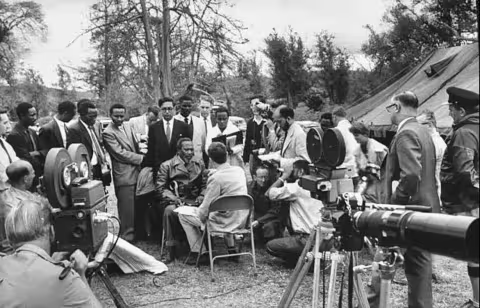
One of the most significant developments was the release of Jomo Kenyatta in August 1961. He had been arrested during the emergency in April 1953, convicted and sentenced to seven years of hard labour, and thereafter held in indefinite detention and house arrest in remote areas of Lokitaung, Lodwar and Maralal.
Kenyatta's return to active political life was welcomed by many supporters who viewed him as a symbol of the nationalist struggle. His release energised political movements across the country and strengthened calls for a rapid transition toward self-government.
As political activity intensified, new parties emerged to champion competing visions of Kenya's future. National leaders debated questions of representation, regional interests and the structure of government that would guide an independent nation.
For the first time, independence no longer appeared as a distant dream. The question was no longer whether Kenya would become free, but how that freedom would be achieved.